Published
m31m31
Final image
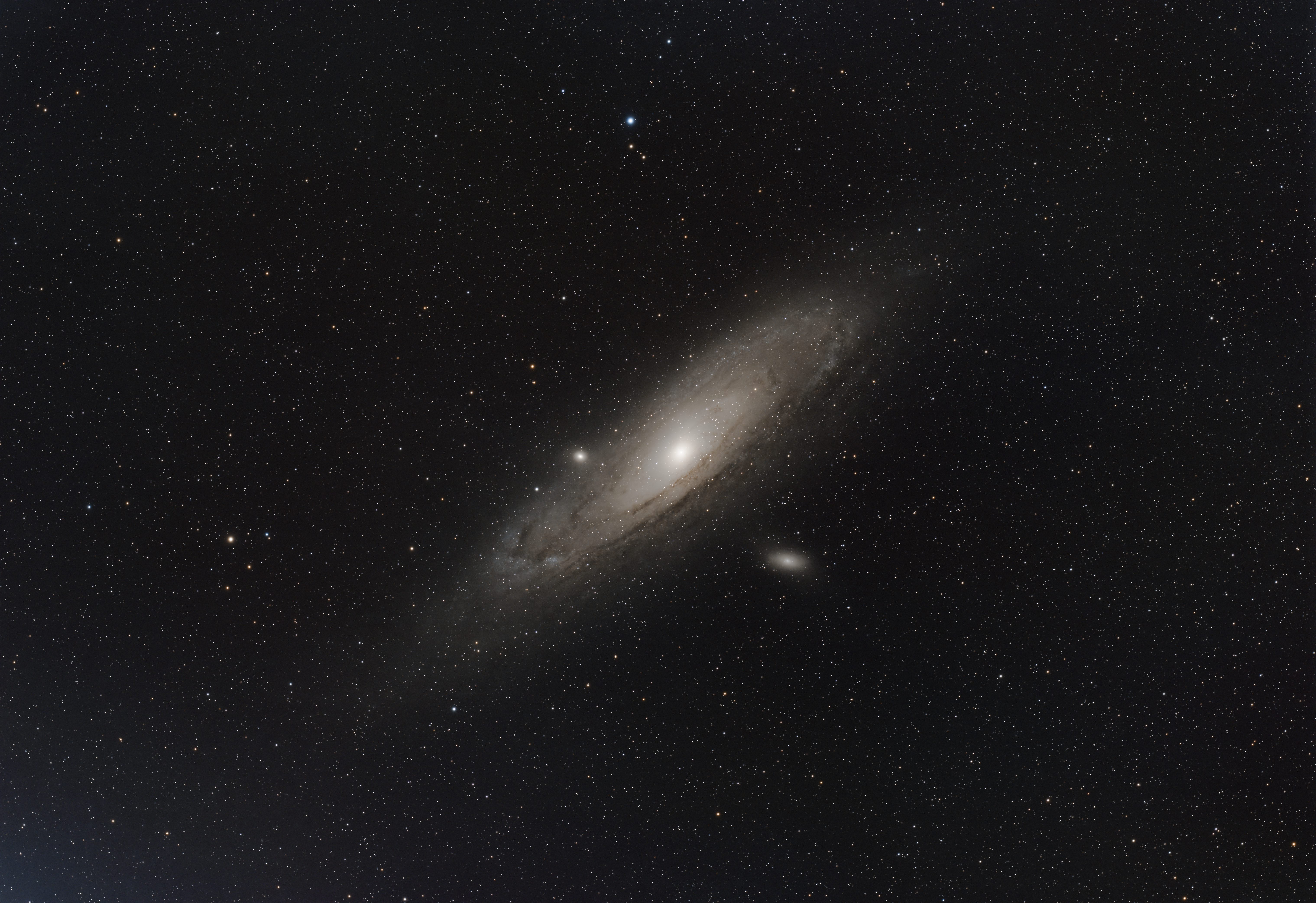
Pinch the image to zoom in on star shapes, gradients, and noise. Open inspect for fullscreen detail and manual controls.
Feedback welcome
0 comments0 annotationsLeave a note or mark a specific area of the image.
Write-up
The target
The Andromeda Galaxy, known as M31, stands as a shimmering beacon in the night sky, captivating stargazers and astrophotographers alike. This colossal spiral galaxy is not only the closest large galaxy to our own Milky Way but also a treasure trove for those who explore the cosmos through their cameras. Its vast architecture of stars, gas, and dark matter offers a glimpse into the universe's structure and history. Capturing M31 from a Bortle 6 site in Salem, NH, in January 2026, makes this image particularly special, showcasing the challenges and beauty of astrophotography under moderate light pollution. In a world where urban spillover often obscures the stars, the results can still yield breathtaking views that remind us of the magic hidden beyond our atmosphere.
Distance and light
Andromeda is located approximately 2.537 million light-years away from Earth. When we observe this majestic galaxy, we are looking back in time, at the light that has traveled vast distances through the universe. The photons that now tickle our retinas have traversed the cosmic expanse for over two and a half million years, allowing us a window into the distant past of our galactic neighborhood.
Integration data
M31
- Files
- 14 files
- Storage
- 697 MB
- Estimated S3 monthly cost
- ~$0.02/mo S3
Folders
- lights5 · 249 MB
- bias3 · 149 MB
- darks3 · 149 MB
- flats3 · 149 MB
File types
- image/fits14 · 697 MB
Gear
- Redcat RigPrimary
3 items
- Camera
ZWO ASI2600MC Air
- Mount
ZWO AM5
- Telescope / OTA
William Optics RedCat 51
Discussion